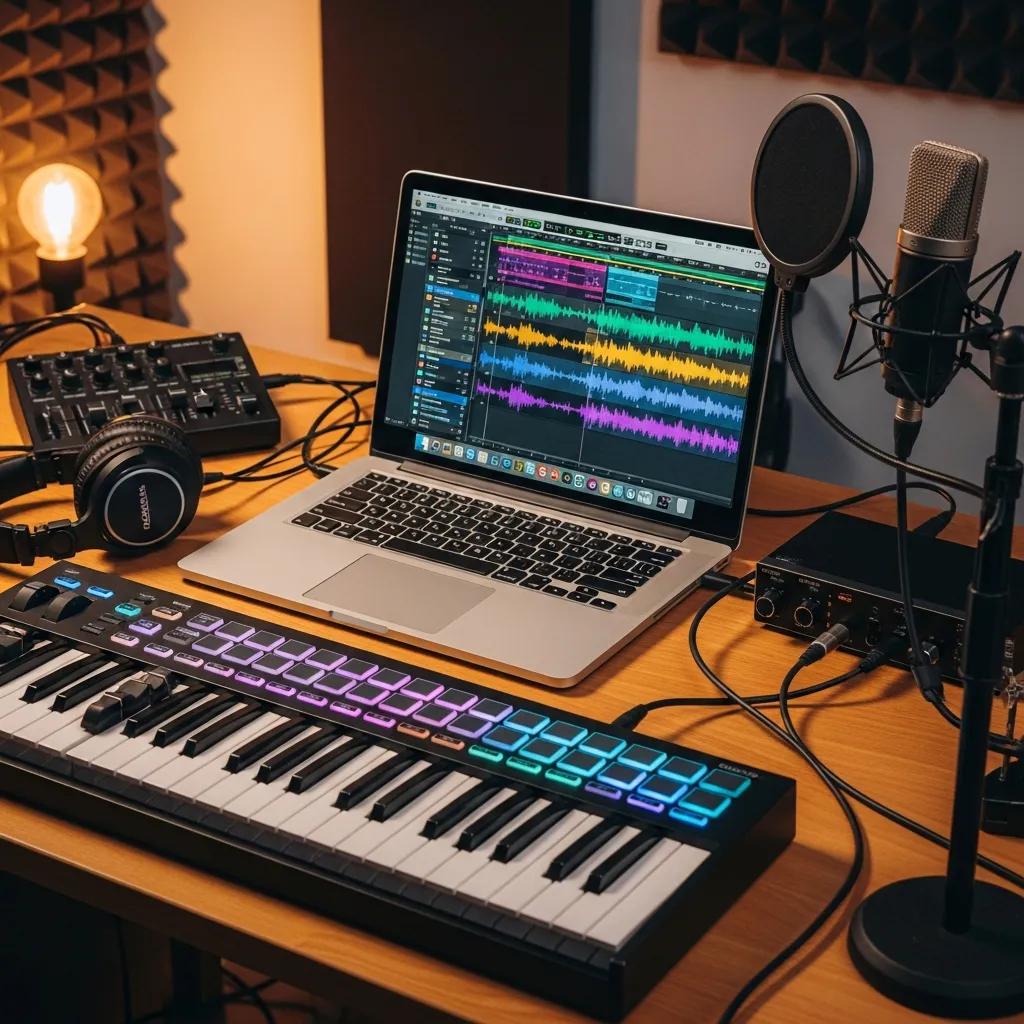
Learn Essential Music Production Software: Create Professional Tracks
In the world of music production, having the right software is crucial for creating professional-quality tracks. This guide will explore essential music production software, focusing on Digital Audio Workstations (DAWs) and their features, helping you navigate the options available. Whether you’re a beginner or an experienced producer, understanding the tools at your disposal can significantly enhance your creative process. Many aspiring musicians struggle with choosing the right software that meets their needs and budget. This article aims to provide clarity on the best DAWs, their features, and how they can elevate your music production experience. We will cover various aspects, including beginner-friendly DAWs, essential features to look for, and comparisons of popular software options.
Which Digital Audio Workstation Is Best for Beginners?
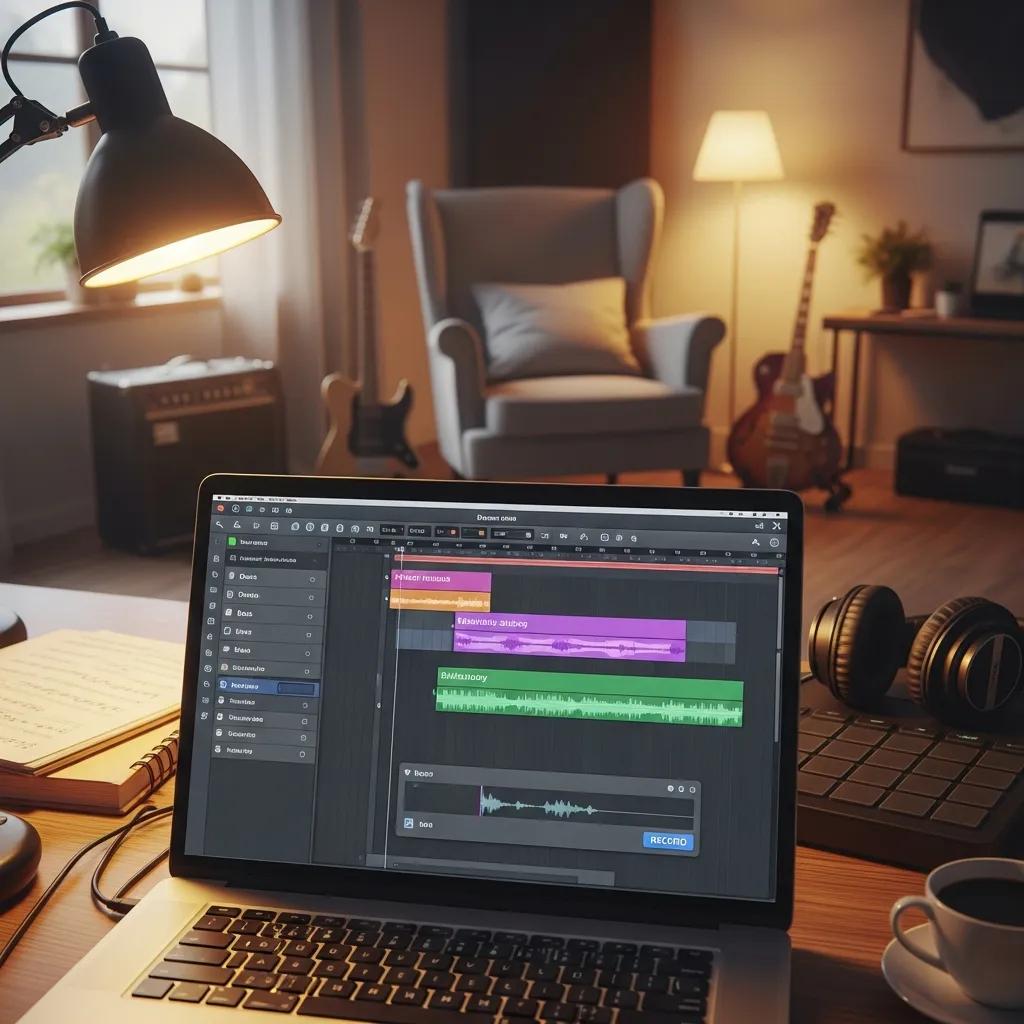
Choosing the right Digital Audio Workstation (DAW) is essential for beginners looking to dive into music production. The best DAWs for beginners typically offer user-friendly interfaces, essential features, and ample support resources. Some popular beginner-friendly DAWs include:
- GarageBand: Ideal for Mac users, GarageBand provides a simple interface and a variety of built-in instruments and loops.
- FL Studio: Known for its intuitive workflow, FL Studio is great for electronic music production and offers a range of plugins.
- Ableton Live: This DAW is favored for its live performance capabilities and is suitable for both studio production and live settings.
These options cater to different musical styles and preferences, making them excellent starting points for new producers.
What Features Should Beginners Look for in DAWs?
When selecting a DAW, beginners should consider several key features that enhance usability and functionality. Important aspects include:
- User Interface: A clean and intuitive interface helps beginners navigate the software without feeling overwhelmed.
- Built-in Instruments and Effects: Access to a variety of virtual instruments and effects can inspire creativity and streamline the production process.
- Support and Community Resources: A strong user community and available tutorials can significantly aid beginners in learning the software.
These features ensure that new users can effectively create and edit music while developing their skills.
How Do Popular DAWs Like Ableton Live and FL Studio Compare?
Comparing popular DAWs like “Ableton Live” and FL Studio reveals distinct strengths and weaknesses that cater to different user needs.
- Ableton Live: Known for its session view, which allows for flexible arrangement and live performance, Ableton is ideal for electronic music producers. It offers powerful MIDI capabilities and a range of audio effects.
- FL Studio: This DAW is celebrated for its pattern-based workflow, making it easy to create beats and loops. It also includes a vast library of plugins and samples, appealing to hip-hop and electronic music producers.
Both DAWs have unique features that can influence a user’s choice based on their production style and workflow preferences.
How to Use Music Production Software for Audio Recording and Mixing
Using music production software effectively for audio recording and mixing involves understanding the basic techniques and tools available. Here are some essential steps:
- Setting Up Your Project: Start by creating a new project and setting the correct sample rate and bit depth for your recordings.
- Recording Audio: Use a microphone or audio interface to capture sound. Ensure proper gain staging to avoid distortion.
- Mixing Techniques: Utilize EQ, compression, and reverb to enhance the audio quality. Balancing levels and panning tracks can create a more polished sound.
By mastering these techniques, producers can create high-quality recordings and mixes that stand out.
10Musica is positioned as a digital platform focused on music, style, and culture, aiming to provide valuable content that educates users on essential music production software and techniques to create professional tracks.
What Are the Basics of Home Recording Software?
Home recording software serves as the foundation for many aspiring musicians. Understanding the basics can help users make informed decisions. Key features to look for include:
- Multi-Track Recording: This allows users to record multiple audio sources simultaneously, essential for band recordings.
- Editing Tools: Basic editing features like cut, copy, and paste are crucial for arranging tracks effectively.
- Export Options: The ability to export projects in various formats ensures compatibility with other software and platforms.
These features make home recording software accessible and functional for beginners.
Which Audio Mixing Software Tools Enhance Track Quality?
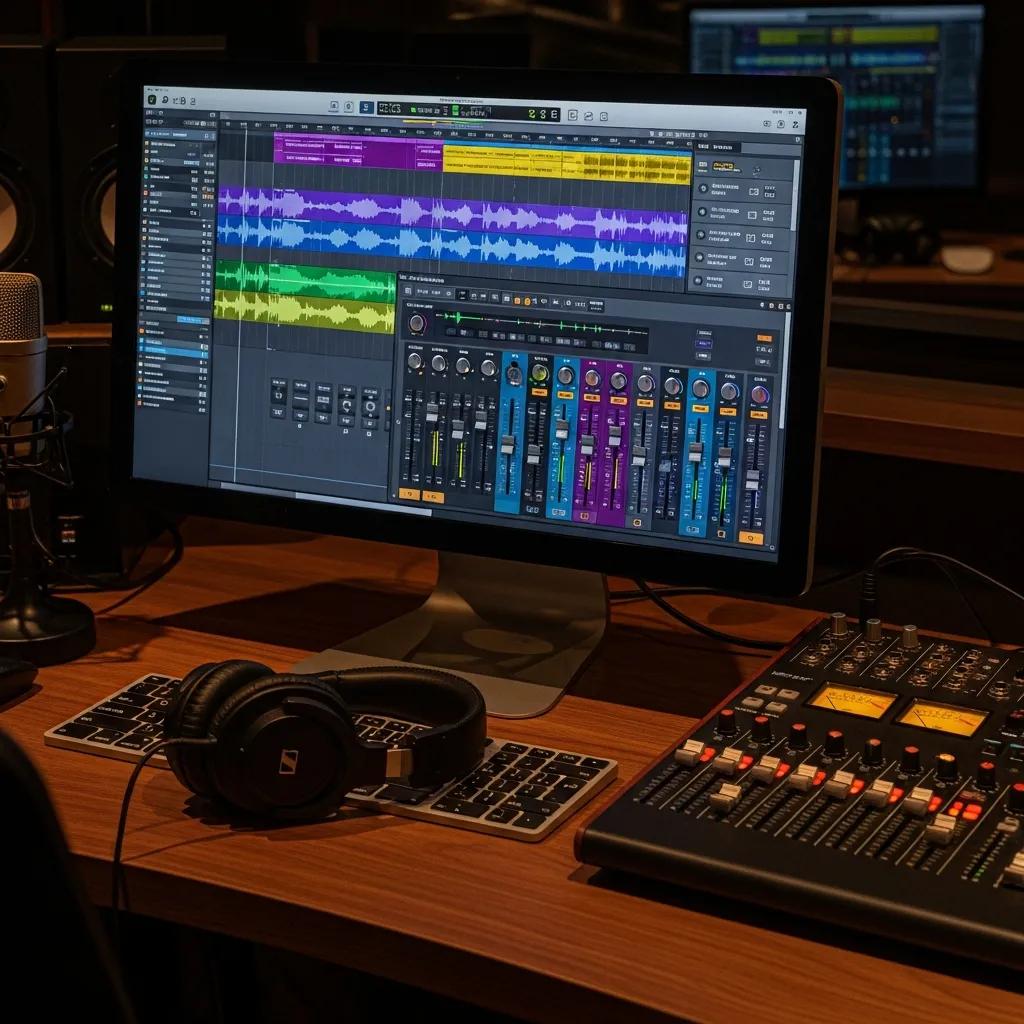
Audio mixing software tools play a vital role in enhancing the quality of tracks. Some popular tools include:
- iZotope Ozone: A comprehensive mastering suite that offers advanced features for finalizing tracks.
- Waves Plugins: A collection of industry-standard plugins that provide various effects and processing options.
- FabFilter Pro-Q: An advanced equalizer plugin known for its precision and user-friendly interface.
These tools can significantly improve the mixing process, allowing producers to achieve professional-sounding results.
What Are the Top Music Production Software Reviews and Comparisons in 2023?
As of 2023, several music production software options stand out based on user reviews and comparisons. Here’s a look at some of the top-rated DAWs:
| DAW | Key Features | User Rating |
|---|---|---|
| Ableton Live | Session view, MIDI capabilities | 4.8/5 |
| FL Studio | Pattern-based workflow, extensive plugins | 4.7/5 |
| Logic Pro | Comprehensive toolset for Mac users | 4.6/5 |
These ratings reflect user experiences and highlight the strengths of each software, helping potential users make informed choices.
How Do DAW Software Versions and Pricing Affect Choice?
The choice of DAW can be influenced by software versions and pricing models. Many DAWs offer different tiers, such as:
- Standard Version: Provides essential features at a lower price point, suitable for beginners.
- Pro Version: Includes advanced features and plugins, catering to professional users.
Understanding these options allows users to select a DAW that fits their budget and production needs.
What Are the Latest Trends in AI-Assisted Music Production Tools?
AI-assisted music production tools are gaining popularity, offering innovative features that enhance creativity. Current trends include:
- AI Composition Tools: These tools can generate melodies and harmonies based on user input, streamlining the creative process.
- Automated Mixing: AI algorithms analyze tracks and suggest optimal mixing settings, saving time for producers.
- Smart Sampling: AI can identify and suggest samples that fit well with existing tracks, enhancing the production workflow.
These advancements are reshaping how music is created and produced, making it more accessible to a wider audience.
How Can Plugins and Beat Making Software Improve Your Music Production Workflow?
Plugins and beat-making software are essential for enhancing the music production workflow. They offer various functionalities, including:
- Sound Design: Plugins allow for intricate sound manipulation, enabling unique sonic textures.
- Beat Creation: Beat-making software provides tools for crafting rhythms and patterns, essential for genres like hip-hop and electronic music.
- Integration with DAWs: Many plugins seamlessly integrate with popular DAWs, enhancing their capabilities.
By incorporating these tools, producers can streamline their workflow and expand their creative possibilities.
Which Music Plugins Are Essential for Sound Design?
Sound design is a critical aspect of music production, and certain plugins are essential for achieving high-quality results. Key plugins include:
- Serum: A wavetable synthesizer known for its versatility and high-quality sound.
- Massive: A powerful synth that excels in creating deep bass and rich leads.
- Omnisphere: A comprehensive software instrument that offers a vast library of sounds and textures.
These plugins provide the tools necessary for innovative sound design, allowing producers to create unique audio experiences.
How Do MIDI Controllers Integrate with Beat Making Software?
MIDI controllers play a significant role in music production, especially when integrated with beat-making software. They offer several advantages:
- Hands-On Control: MIDI controllers provide tactile feedback, making it easier to manipulate sounds and parameters.
- Performance Capabilities: Many controllers allow for live performance, enabling producers to showcase their work in real-time.
- Custom Mapping: Users can customize MIDI mappings to suit their workflow, enhancing efficiency.
This integration enhances the overall music production experience, making it more intuitive and engaging.
How Do Cultural Influences Shape Music Production Styles and Software Use?
Cultural influences significantly impact music production styles and the software used. Different genres often reflect the cultural context in which they were created. For example:
- Hip-Hop: Often utilizes sampling and beat-making software to create unique rhythms and sounds.
- Electronic Music: Heavily relies on synthesizers and DAWs that support complex arrangements and live performance.
Understanding these cultural influences can help producers choose the right tools and techniques for their desired sound.
What Role Does Music Production Software Play in Different Music Genres?
Music production software plays a crucial role in shaping the sound of various genres. Each genre often requires specific tools and techniques. For instance:
- Rock: Typically involves multi-track recording and live instrument tracking, necessitating robust DAWs.
- Pop: Often relies on MIDI programming and vocal editing, making software with strong editing capabilities essential.
By recognizing the role of software in different genres, producers can tailor their approach to suit their musical style.
How Can Lifestyle Trends Inspire Creative Track Making?
Lifestyle trends can significantly influence music creation, inspiring producers to explore new themes and sounds. For example:
- Social Media: Platforms like TikTok have popularized certain sounds and styles, encouraging producers to incorporate these elements into their tracks.
- Cultural Movements: Current events and cultural shifts often inspire lyrical content and musical themes, reflecting the zeitgeist.
By staying attuned to lifestyle trends, producers can create music that resonates with contemporary audiences and reflects current cultural narratives.
