
Compare Top Music Streaming Services: Find Your Perfect Audio Experience with Premium Music Plans
In the ever-evolving landscape of music consumption, choosing the right streaming service can significantly enhance your listening experience. With a plethora of options available, each offering unique features and audio quality, it’s essential to understand what sets them apart. This article delves into the top music streaming services, comparing their audio quality, subscription plans, and user experiences. By the end, you will have a clearer picture of which service aligns best with your preferences and lifestyle.
Indeed, the shift towards subscription-based models has fundamentally reshaped the music industry, driving significant growth and changing how consumers access audio content.
The Rise of Subscription-Based Music Streaming Services
The most advanced and profitable digital service model today is the paid MaaS (Music as a Service) model, also known as subscription-based music streaming. Paid MaaS services are the fastest growing consumption model of music and their growth underpinned the first positive year for the recording industry in nearly two decades.
Consumers’ intentions to subscribe to music streaming services, 2016
As music streaming continues to dominate how we consume audio, many users face challenges in selecting the ideal platform. Factors such as audio fidelity, subscription costs, and additional features play a crucial role in this decision-making process. This guide will explore the best music streaming platforms, the benefits of lossless and high-fidelity streaming, and how to choose the right service based on your needs.
Which Music Streaming Platforms Offer the Best Audio Quality?

Audio quality is a critical factor for many music enthusiasts. The best music streaming platforms prioritize high-fidelity sound, ensuring that listeners enjoy their favorite tracks as intended by the artists. Services like “Tidal” and Amazon Music Unlimited offer lossless audio streaming, which preserves the original sound quality of recordings. This is particularly appealing to audiophiles who seek an immersive listening experience.
Lossless music streaming allows for higher bit rates and better sound clarity, making it a preferred choice for discerning listeners. In contrast, platforms like Spotify and Apple Music provide standard streaming options, which may not satisfy those who prioritize audio fidelity. Understanding these differences can help users select a service that meets their audio quality expectations.
However, despite the promises of premium plans and high-fidelity options, research suggests that the actual perceived difference in audio quality for consumers might not always align with the advertised benefits.
Music Streaming Audio Quality: Do Premium Plans Deliver?
The digitization of the music industry has transformed both the production and consumption of music globally, leading to a more accessible and convenient environment through mobile music streaming services. Service providers have developed premium packages that offer enhanced audio quality and additional features. However, previous studies have found out that individuals are often unable to perceive differences in audio quality across various listening environments. Consequently, there exists a possibility that service providers might not be delivering the pledged audio quality, and customers may remain oblivious to this issue.
An Investigation into Audio Quality of Streaming Services: Do Music Consumers Get the Audio Quality They Pay For?, T Özdemir, 2024
How Do Lossless and High-Fidelity Streaming Enhance Your Listening?
Lossless and high-fidelity streaming significantly enhance the listening experience by providing superior sound quality. Lossless audio formats, such as FLAC, retain all the original data from the recording, resulting in a richer and more detailed sound. This is particularly beneficial for genres that rely heavily on intricate instrumentation and vocal nuances.
High-fidelity streaming goes a step further by offering higher bit rates and sampling frequencies, which contribute to a more dynamic and immersive audio experience. For audiophiles, the difference between standard and high-fidelity audio can be profound, making it essential to choose a service that supports these formats.
What Audio Quality Features Do Spotify, Apple Music, and Tidal Provide?
When comparing audio quality features across major platforms, it’s essential to consider the specific offerings of each service.
- Spotify: Offers a maximum bit rate of 320 kbps for premium users, which is sufficient for casual listeners but may not satisfy audiophiles.
- Apple Music: Provides high-resolution audio streaming with its lossless tier, allowing users to enjoy music in its original quality at up to 24-bit/192 kHz.
- Tidal: Known for its commitment to high-fidelity audio, Tidal offers lossless streaming (16-bit/44.1 kHz) and even higher quality options for audiophiles (HiFi and Master Quality Authenticated).
These features highlight the varying levels of audio quality available across different platforms, allowing users to make informed choices based on their listening preferences.
What Are the Subscription Plans and Pricing Models Across Top Music Services?
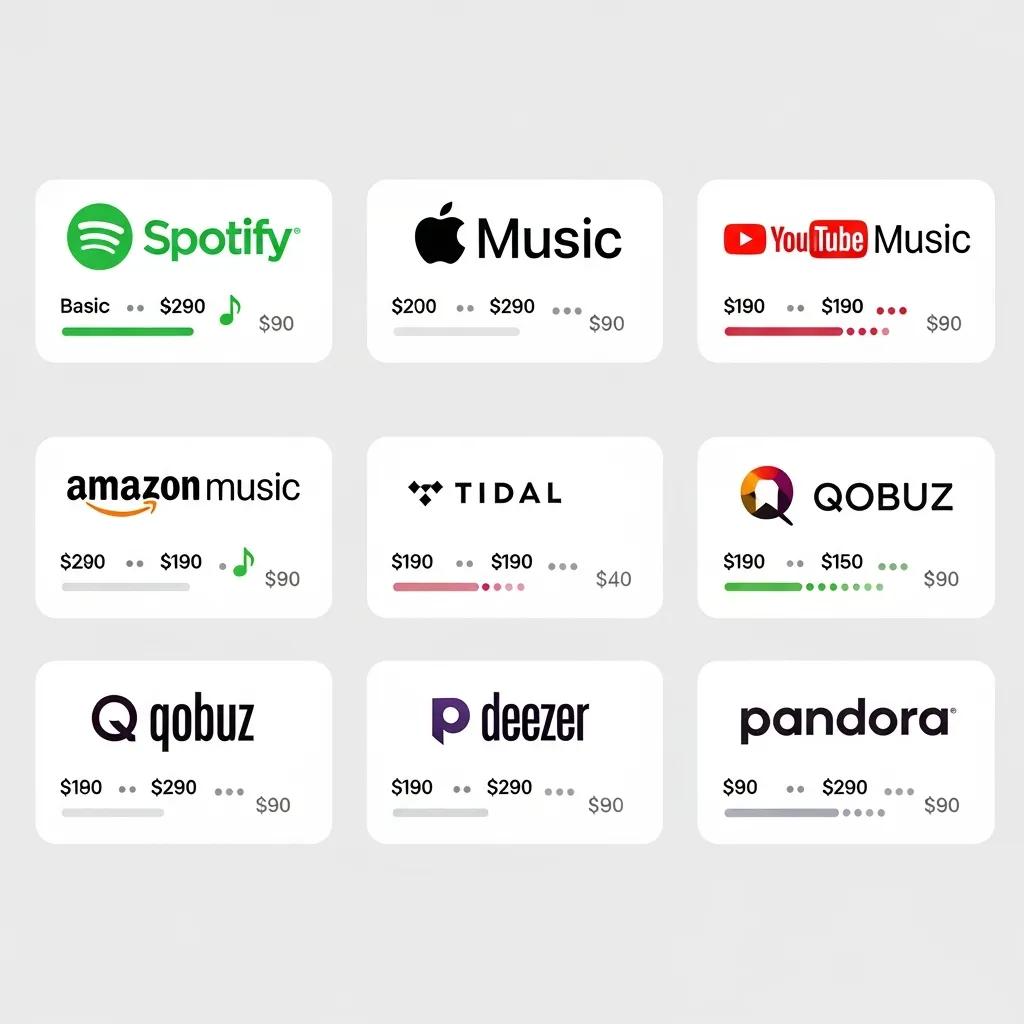
Understanding the subscription plans and pricing models of music streaming services is crucial for making an informed decision. Here’s a comparison of the most popular services:
| Service | Plan Type | Monthly Price | Key Features |
|---|---|---|---|
| Spotify | Premium | $9.99 | Offline listening, ad-free experience |
| Apple Music | Individual | $10.99 | Lossless audio, curated playlists |
| Tidal | HiFi | $19.99 | Lossless audio, exclusive content |
| Amazon Music HD | Individual | $14.99 | High-definition audio, Alexa integration |
This provides insights into these premium music subscriptions, helping users navigate the various options available. Each service offers unique features that cater to different listening preferences and budgets.
How Do Free, Premium, Family, and Student Plans Compare?
When evaluating music streaming services, it’s essential to consider the different subscription types available. Each plan type offers distinct benefits:
- Free Plans: Typically ad-supported and limited in features, free plans allow users to explore the service without commitment.
- Premium Plans: Ad-free and offering offline listening, premium plans provide the best overall experience for dedicated listeners.
- Family Plans: Designed for multiple users, family plans offer significant savings for households with several music lovers.
- Student Plans: Discounted rates for students make premium services more accessible, encouraging younger audiences to engage with music streaming.
These options ensure that users can find a plan that fits their needs and budget, enhancing the overall value of music streaming services.
Which Music Streaming Services Provide the Best Value for Money?
Evaluating the value for money of music streaming services involves comparing the cost against the features offered. Services like “Spotify” and Apple Music provide excellent value with their extensive libraries and user-friendly interfaces. Tidal, while more expensive, justifies its price with high-fidelity audio and exclusive content.
User satisfaction ratings also play a role in determining value. Many users appreciate the curated playlists and personalized recommendations offered by these platforms, enhancing their overall experience. Understanding these factors can help users choose a service that delivers the best value for their investment.
Further studies delve into the specific elements that drive user contentment and the decision to commit to a streaming service.
Factors Influencing Music Streaming Subscription & Satisfaction
PurposeThe purpose of this study was to explore and examine the factors influencing customer satisfaction and subscription intention in order to propose useful implication regarding subscription economy model.
An empirical study on customer subscription intention and satisfaction on subscription-based music streaming platform, 2022
How Does User Experience Vary Among Leading Music Streaming Apps?
User experience is a vital aspect of music streaming services. Factors such as interface design, ease of navigation, and customer support can significantly impact how users interact with the platform.
- Spotify: Known for its intuitive interface and robust music discovery features, Spotify excels in user experience.
- Apple Music: Offers seamless integration with Apple devices, providing a cohesive experience for users within the Apple ecosystem.
- Tidal: While it may not be as user-friendly as its competitors, Tidal’s focus on audio quality appeals to serious music enthusiasts.
These differences highlight the importance of user experience in selecting a music streaming service that aligns with individual preferences.
What Are the Key Features Like Offline Listening and Device Compatibility?
Key features such as offline listening and device compatibility are essential considerations when choosing a music streaming service.
- Offline Listening: Most premium services allow users to download music for offline playback, which is ideal for those with limited data plans or who travel frequently.
- Device Compatibility: Leading platforms support a wide range of devices, including smartphones, tablets, smart speakers, and more, ensuring users can enjoy their music wherever they are.
These features enhance the overall convenience and accessibility of music streaming services, making them more appealing to a broader audience.
How Do Curated Playlists and Music Discovery Features Differ?
Curated playlists and music discovery features are crucial for enhancing user engagement.
- Curated Playlists: Many services offer playlists created by music experts, helping users discover new artists and genres.
- Algorithmic Recommendations: Platforms like “Spotify” utilize algorithms to suggest music based on listening habits, providing a personalized experience.
These features not only enhance user satisfaction but also encourage exploration and discovery within the vast world of music.
What Is the Cultural and Lifestyle Impact of Music Streaming Services?
Music streaming services have profoundly influenced cultural and lifestyle trends. The accessibility of music has democratized listening, allowing users to explore diverse genres and artists from around the world. This shift has led to the rise of new music trends and the resurgence of previously overlooked genres.
Moreover, streaming services have changed how artists release music, with many opting for singles and EPs over traditional albums. This evolution reflects the changing dynamics of the music industry and the impact of technology on music consumption.
How Do Music Platforms Integrate Style and Cultural Trends?
Music platforms play a significant role in shaping cultural trends and styles. By curating playlists that reflect current events, social movements, and popular culture, these services help users connect with the music that resonates with their lives.
Additionally, collaborations between artists and brands often emerge from these platforms, further intertwining music with lifestyle trends. This integration highlights the importance of music streaming services in contemporary culture.
Why Does Music Streaming Influence Modern Music Consumption Habits?
The rise of music streaming has transformed how people consume music. With instant access to vast libraries, listeners can explore new genres and artists without the constraints of physical media. This shift has led to changes in listening habits, with many users favoring playlists and singles over full albums.
Moreover, the convenience of streaming has made music more accessible, allowing users to discover and enjoy music on their terms. This evolution reflects broader trends in consumer behavior and the impact of technology on entertainment.
Which Music Streaming Service Is Best for Your Listening Preferences?
Choosing the best music streaming service depends on individual listening preferences. Factors such as audio quality, subscription costs, and user experience should guide your decision. For audiophiles, services like Tidal or Amazon Music Unlimited may be ideal, while casual listeners might prefer Spotify or Apple Music for their extensive libraries and user-friendly interfaces.
Ultimately, understanding your listening habits and priorities will help you select the service that best meets your needs.
How to Choose Based on Audio Quality, Features, and Subscription Needs?
When selecting a music streaming service, consider the following factors:
- Audio Quality: Determine if high-fidelity or lossless audio is essential for your listening experience.
- Features: Evaluate the importance of offline listening, curated playlists, and music discovery tools.
- Subscription Needs: Assess your budget and whether family or student plans are available.
By weighing these factors, you can make an informed decision that aligns with your music consumption habits.
What Are Expert Recommendations for Different Listener Profiles?
Experts recommend different music streaming services based on listener profiles:
- Casual Listeners: Spotify or Apple Music for their extensive libraries and user-friendly interfaces.
- Audiophiles: Tidal or Amazon Music Unlimited for high-fidelity audio options.
- Families: Family plans from Spotify or Apple Music for cost-effective solutions.
- Students: Discounted plans from major services to make premium features more accessible.
These tailored recommendations ensure that users can find a service that fits their unique listening preferences and lifestyle.
