
Compare Top Music Streaming Services
Compare Top Music Streaming Services: Comprehensive Analysis of Platforms, Features, and Pricing
In the rapidly evolving landscape of digital music consumption, understanding the various music streaming services available is crucial for users seeking the best listening experience. This article provides a comprehensive analysis of the top music streaming platforms in 2023, focusing on their unique features, subscription plans, audio quality, user experience, and cultural impact. As music lovers navigate their options, they often face challenges in choosing the right service that aligns with their preferences and budget. By comparing leading platforms like Spotify, Apple Music, and Tidal, as well as emerging competitors, readers will gain insights into the strengths and weaknesses of each service. This guide will cover key features, pricing models, audio quality, user experience, and the cultural significance of these platforms.
Which Music Streaming Platforms Lead the Market in 2023?
As of 2023, several music streaming platforms dominate the market, each offering distinct features that cater to diverse user preferences. Spotify, Apple Music, and Tidal are among the leaders, each with unique selling points that attract millions of subscribers. Spotify is renowned for its extensive library and personalized playlists, while Apple Music offers seamless integration with Apple devices and exclusive content. Tidal, on the other hand, emphasizes high-fidelity audio quality and artist exclusives, appealing to audiophiles and dedicated fans.
What Are the Key Features of Spotify, Apple Music, and Tidal?
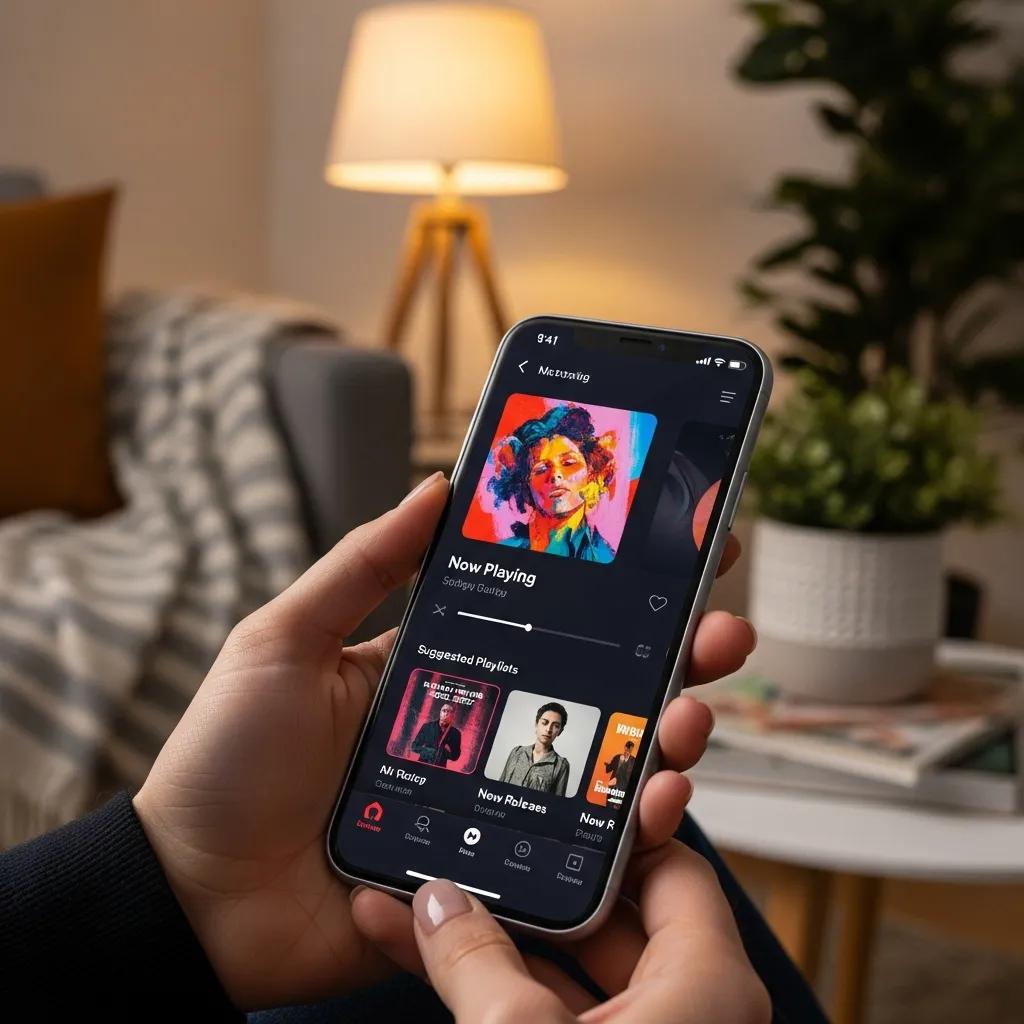
Spotify, Apple Music, and Tidal each provide unique features that enhance the user experience:
- Spotify: Priced at $10.99 for its Premium plan, Spotify offers personalized playlists, a vast library of over 80 million songs, and social sharing features that allow users to connect with friends and discover new music together.
- Apple Music: With an Individual plan costing $10.99 per month, Apple Music integrates seamlessly with Apple devices, providing access to exclusive releases and curated playlists tailored to user preferences.
- Tidal: At $19.99 for its HiFi plan, Tidal stands out with its commitment to high-quality audio streaming, offering lossless audio and exclusive content from top artists, making it a favorite among audiophiles.
These platforms cater to different audiences, ensuring that users can find a service that meets their specific needs.
How Do Emerging Platforms Influence Market Dynamics?
Emerging music streaming platforms are reshaping the industry by introducing innovative features and competitive pricing. Services like Amazon Music HD and YouTube Music are gaining traction, offering unique functionalities such as integration with smart home devices and exclusive video content. These new entrants challenge established players by appealing to users who prioritize affordability and additional features. As consumer preferences shift towards personalized experiences and high-quality audio, traditional platforms must adapt to maintain their market share.
How Do Subscription Plans and Pricing Models Compare Across Services?
Understanding the subscription plans and pricing models of various music streaming services is essential for users looking to maximize value. Each platform offers different plan types, catering to individual, family, and student needs.
| Service | Plan Type | Monthly Price | Key Features |
|---|---|---|---|
| Spotify | Premium | $10.99 | Personalized playlists, offline listening, ad-free experience |
| Apple Music | Individual | $10.99 | Seamless Apple device integration, exclusive content |
| Tidal | HiFi | $19.99 | Lossless audio quality, exclusive artist content |
What Are the Differences Between Family, Student, and Individual Plans?
Music streaming services typically offer various plan types to accommodate different user demographics. Family plans allow multiple users to share a subscription at a discounted rate, while student plans provide significant savings for eligible users. Individual plans cater to single users who prefer a straightforward subscription without additional features. Understanding these differences helps users choose the most cost-effective option based on their needs.
How Do Pricing Structures Affect User Choice and Value?
Pricing structures play a crucial role in influencing user decisions when selecting a music streaming service. Competitive pricing, along with the value offered through unique features, can sway users towards one platform over another. For instance, while Tidal’s HiFi plan is more expensive, its focus on audio quality appeals to serious music enthusiasts. Conversely, Spotify’s lower price point and extensive library attract casual listeners who prioritize variety over sound fidelity.
What Defines Audio Quality and Streaming Technology in Top Music Apps?

Audio quality is a significant factor for many users when choosing a music streaming service. The technology behind streaming can greatly affect the listening experience, with various platforms offering different levels of sound fidelity.
How Do HiFi and Spatial Audio Enhance Listening Experiences?
HiFi audio and spatial audio technologies significantly enhance the listening experience by providing richer soundscapes and greater detail. HiFi audio delivers lossless sound quality, allowing listeners to experience music as the artists intended. Spatial audio, on the other hand, creates an immersive listening environment, making users feel as though they are in the center of a live performance. These advancements cater to audiophiles and casual listeners alike, elevating the overall enjoyment of music.
Which Codecs and Formats Are Supported by Leading Platforms?
Leading music streaming platforms support various audio codecs and formats to ensure optimal playback quality. Common formats include MP3, AAC, and FLAC, with Tidal offering the highest quality through its support for lossless formats. Understanding the supported codecs can help users select a platform that meets their audio quality expectations.
How Does User Experience and Device Compatibility Vary Among Streaming Services?
User experience and device compatibility are critical factors that influence the choice of a music streaming service. A seamless interface and compatibility with various devices enhance the overall enjoyment of the service.
What Are the Offline Playback and Cross-Device Features Offered?
Offline playback allows users to download music for listening without an internet connection, a feature that is essential for those who travel frequently or have limited data plans. Most major platforms, including Spotify and Apple Music, offer this functionality, enabling users to enjoy their favorite tracks anytime, anywhere. Cross-device compatibility further enhances user experience, allowing seamless transitions between smartphones, tablets, and smart speakers.
How Do Smart Home Integrations Impact Streaming Accessibility?
Smart home integrations have revolutionized how users interact with music streaming services. Platforms that support voice commands and smart speakers, such as Amazon Music and Apple Music, provide users with convenient access to their music libraries. This integration enhances accessibility, making it easier for users to enjoy music in various settings, from home to on-the-go.
In What Ways Do Music Streaming Services Influence Culture and Lifestyle?
Music streaming services have a profound impact on culture and lifestyle, shaping how people discover and consume music. The rise of curated playlists and algorithm-driven recommendations has transformed music discovery, making it easier for users to find new artists and genres.
How Do Curated Playlists and AI-Curated Content Shape Music Discovery?
Curated playlists, often created by music experts or algorithms, play a significant role in shaping user preferences. These playlists introduce listeners to new music that aligns with their tastes, fostering a sense of community and shared experience. AI-curated content further enhances this process by analyzing user behavior and preferences to deliver personalized recommendations, making music discovery more engaging and tailored.
What Is the Role of Streaming Platforms in Promoting Music Genres and Trends?
Streaming platforms play a crucial role in promoting emerging music genres and trends. By featuring new artists and genres on their homepages and in curated playlists, these services help shape the musical landscape. This exposure can lead to viral hits and the rise of new genres, influencing cultural trends and listener preferences.
What Emerging Trends and Market Insights Will Shape Music Streaming in 2023?
As the music streaming industry continues to evolve, several emerging trends are expected to shape its future. These trends include advancements in technology, shifts in consumer behavior, and the increasing importance of personalized experiences.
How Are AI and Personalized Recommendations Evolving?
Artificial intelligence is becoming increasingly sophisticated in its ability to analyze user preferences and deliver personalized recommendations. As AI technology advances, music streaming services will likely offer even more tailored experiences, enhancing user satisfaction and engagement. This evolution will further solidify the role of streaming platforms in shaping music consumption habits.
What Are the Implications of Market Share Shifts and New Entrants?
The entry of new players into the music streaming market can disrupt existing dynamics, leading to shifts in market share among established platforms. As competition intensifies, companies will need to innovate and adapt to retain their user base. This competitive landscape will ultimately benefit consumers, providing them with more choices and better services.