
Choose the Best Studio Headphones for Mixing & Mastering
Choose the Best Studio Headphones for Mixing & Mastering: Expert Guide to Professional Audio Monitoring
Selecting the right studio headphones is crucial for achieving high-quality sound in mixing and mastering. With a plethora of options available, understanding the different types of headphones and their specific features can significantly enhance your audio monitoring experience. This guide will delve into the essential aspects of studio headphones, including their types, audio attributes, and comfort features, ensuring you make an informed decision. Many audio engineers face challenges in finding headphones that provide accurate sound reproduction and comfort during long sessions. This article aims to address these concerns by exploring the best studio headphones for mixing and mastering, along with practical tips for selection. We will cover various headphone types, key audio attributes, and the latest trends in the industry.
What Types of Studio Headphones Are Best for Mixing and Mastering?
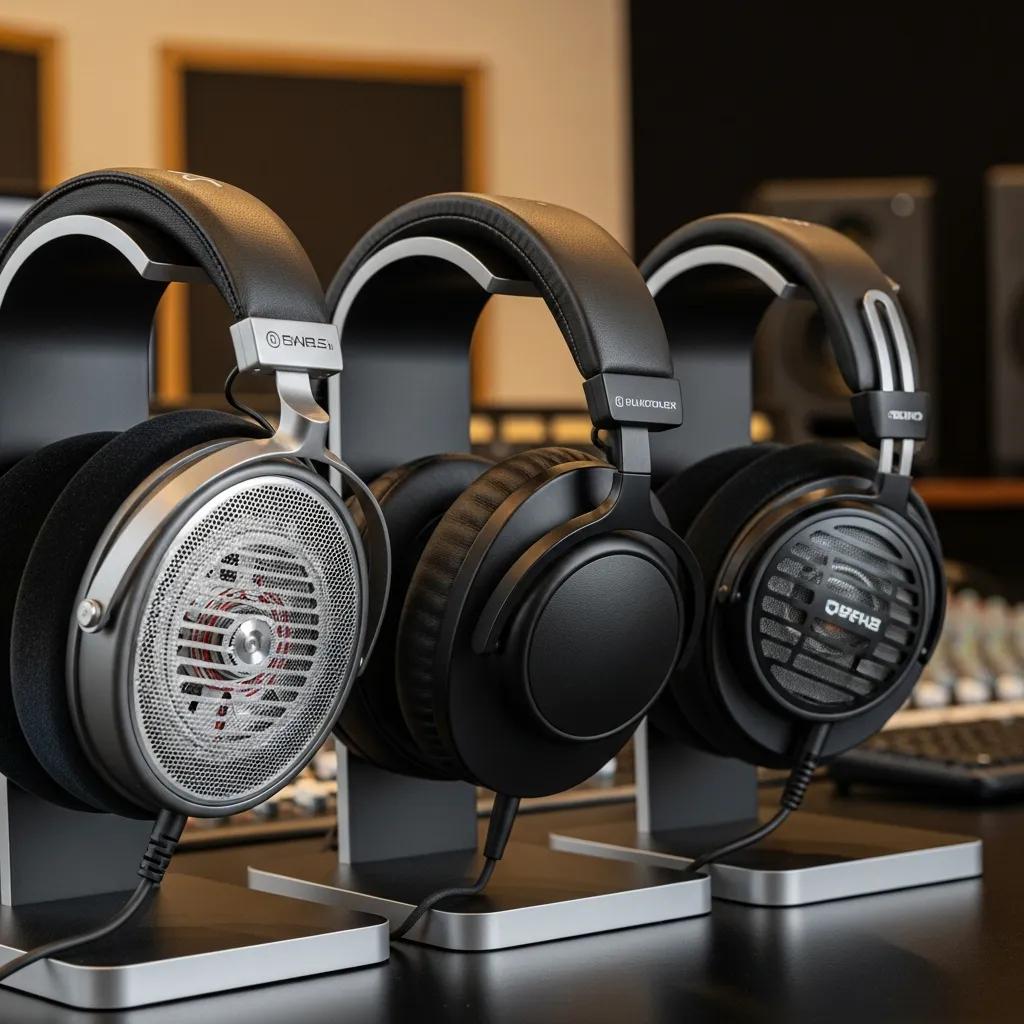
When it comes to studio headphones, there are primarily three types to consider: open back, closed back, and hybrid headphones. Each type has its unique characteristics that cater to different mixing and mastering needs.
- Open Back Headphones: These headphones allow air and sound to pass through the ear cups, providing a more natural and spacious sound. They are ideal for mixing as they offer a wider soundstage, making it easier to distinguish between different audio elements.
- Closed Back Headphones: These headphones are designed to isolate sound, preventing external noise from interfering with your listening experience. They are particularly useful for tracking and recording, as they help to keep sound contained within the ear cups.
- Hybrid Headphones: Combining features of both open and closed back designs, hybrid headphones offer versatility for various studio applications. They provide a balance between sound isolation and a natural listening experience, making them suitable for both mixing and mastering.
Understanding these types will help you choose the right headphones based on your specific audio needs.
How Do Open Back and Closed Back Headphones Affect Mixing Accuracy?
The choice between open back and closed back headphones significantly impacts mixing accuracy. Open back headphones provide a more natural sound by allowing sound waves to escape, which can create a more immersive listening experience. This design helps in accurately assessing the spatial characteristics of a mix, making it easier to place instruments within the stereo field.
On the other hand, closed back headphones excel in sound isolation, which is crucial during recording sessions. They prevent sound leakage, allowing you to focus on the audio without distractions from the environment. However, the sound may feel more confined, which can affect the perception of depth and space in a mix. Ultimately, the choice depends on the specific tasks at hand and personal preference.
What Are Hybrid Headphones and Their Benefits for Studio Use?
Hybrid headphones are designed to offer the best of both worlds by combining the features of open and closed back headphones. They provide a unique listening experience that caters to various studio applications. The benefits of hybrid headphones include:
- Versatility: Suitable for both mixing and tracking, making them a great all-around option for audio engineers.
- Balanced Sound: They offer a good compromise between sound isolation and a natural listening experience, allowing for accurate monitoring.
- Comfort: Many hybrid models are designed with comfort in mind, making them suitable for long sessions in the studio.
These features make hybrid headphones an excellent choice for professionals who require flexibility in their audio monitoring tools.
Which Key Audio Attributes Impact Studio Headphone Performance?
Several key audio attributes significantly influence the performance of studio headphones. Understanding these attributes can help you make a more informed decision when selecting headphones for mixing and mastering.
- Frequency Response: This refers to the range of frequencies that headphones can reproduce. A flat frequency response is ideal for mixing, as it ensures that all audio elements are represented accurately without coloration.
- Impedance: The impedance of headphones affects how they interact with audio equipment. Lower impedance headphones are easier to drive and can be used with portable devices, while higher impedance models may require dedicated amplifiers for optimal performance.
- Soundstage: This attribute describes the perceived width and depth of the sound. A wider soundstage allows for better placement of instruments within a mix, which is essential for achieving a professional sound.
By considering these attributes, you can select headphones that meet your specific audio monitoring needs.
Why Is Frequency Response Critical for Mixing and Mastering?
Frequency response is a critical factor in studio headphones, as it directly impacts the accuracy of sound reproduction. A flat frequency response ensures that all frequencies are represented equally, allowing audio engineers to make precise adjustments during mixing and mastering. Headphones with a skewed frequency response can lead to misinterpretations of the mix, resulting in poor sound quality.
For instance, headphones that emphasize bass frequencies may cause you to under-mix low-end elements, while those that boost treble can lead to harshness in the final product. Therefore, selecting headphones with a reliable frequency response is essential for achieving professional results in audio production.
How Do Impedance and Soundstage Influence Audio Quality?
Impedance and soundstage are two critical factors that influence audio quality in studio headphones. Impedance, measured in ohms, affects how headphones interact with audio sources. Lower impedance headphones (typically 16-32 ohms) are more compatible with portable devices, while higher impedance headphones (above 250 ohms) often require dedicated amplifiers to reach their full potential.
Soundstage, on the other hand, refers to the perceived spatial characteristics of sound. A wider soundstage allows listeners to perceive the placement of instruments more accurately, which is crucial for mixing. Headphones with a limited soundstage can make mixes sound congested and less dynamic. Therefore, understanding these factors can help you choose headphones that deliver superior audio quality.
How to Choose Studio Headphones for Comfort and Durability During Long Sessions?
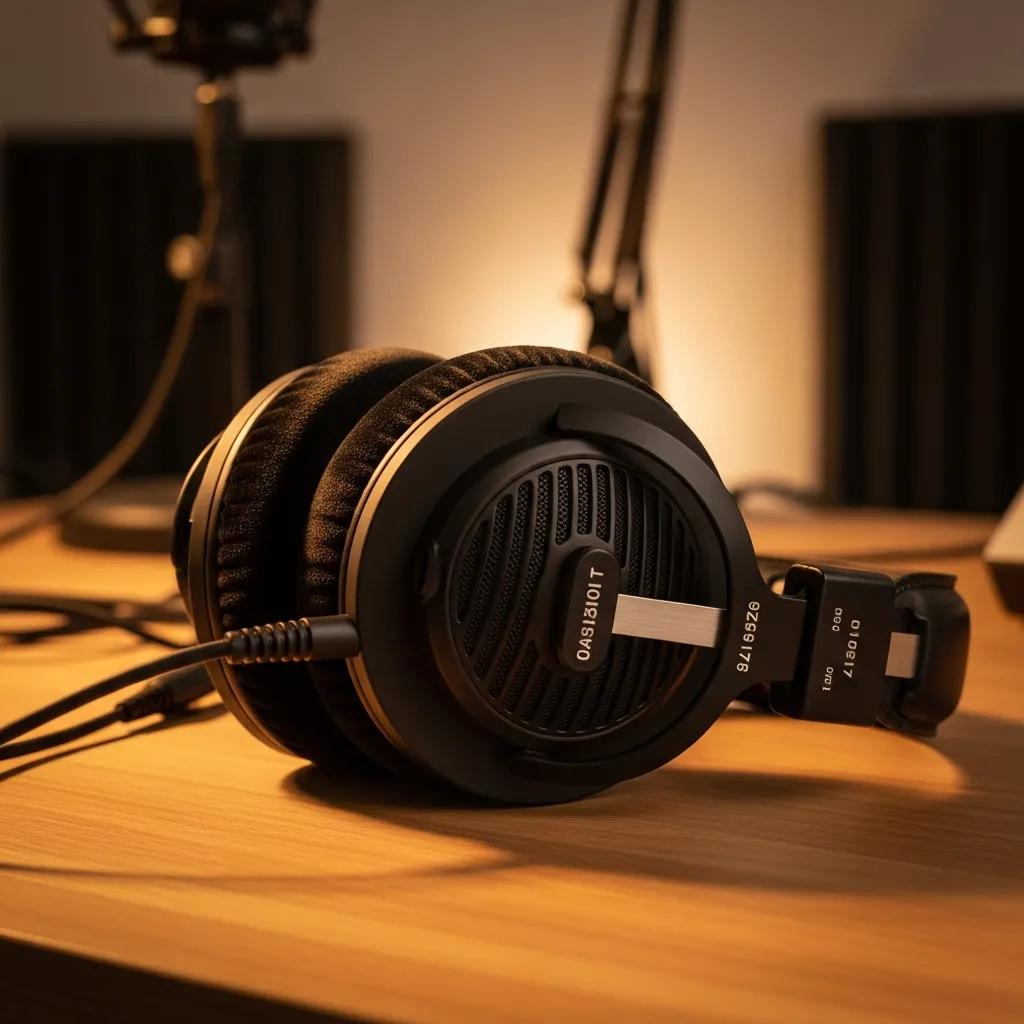
When selecting studio headphones, comfort and durability are paramount, especially for long mixing and mastering sessions. Here are some key considerations:
- Padding: Look for headphones with soft, breathable ear pads that provide comfort during extended use. Memory foam padding is often preferred for its ability to conform to the shape of your ears.
- Weight: Lightweight headphones reduce fatigue during long sessions. Consider models that are designed for comfort without compromising sound quality.
- Build Quality: Durable materials and construction techniques ensure that headphones can withstand the rigors of studio use. Look for models with reinforced headbands and detachable cables for added longevity.
By prioritizing these features, you can ensure that your headphones remain comfortable and functional throughout long recording sessions.
What Comfort Features Should Audio Engineers Prioritize?
Audio engineers should prioritize several comfort features when selecting studio headphones to enhance their listening experience:
- Adjustability: Headphones with adjustable headbands allow for a customized fit, ensuring that they stay securely in place during use.
- Weight Distribution: A well-balanced design helps distribute weight evenly across the head, reducing pressure points and discomfort.
- Breathable Materials: Headphones made from breathable materials prevent overheating during extended use, enhancing overall comfort.
These features contribute to a more enjoyable and productive studio experience, allowing engineers to focus on their work without distractions.
How Does Build Quality Affect Headphone Longevity in Studios?
The build quality of studio headphones plays a crucial role in their longevity and performance. High-quality materials and construction techniques can significantly extend the lifespan of headphones, making them a worthwhile investment for audio professionals. Key factors to consider include:
- Materials: Headphones made from durable plastics, metals, and high-quality fabrics are more likely to withstand daily use in a studio environment.
- Construction Techniques: Reinforced joints and detachable cables can prevent common points of failure, ensuring that headphones remain functional over time.
- User Experiences: Reviews and feedback from other audio engineers can provide valuable insights into the durability of specific headphone models.
By choosing headphones with superior build quality, you can ensure that your investment lasts for years to come.
What Are the Top Studio Headphone Brands and Models for Mixing and Mastering?
When it comes to studio headphones, several brands are renowned for their quality and performance. Here are some of the top brands and models to consider:
| Brand | Model | Price |
|---|---|---|
| Sennheiser | HD 600 | $399 |
| Audio-Technica | ATH-M50x | $169 |
| Beyerdynamic | DT 770 Pro (80 Ohm) | $159 |
These models are highly regarded in the audio community for their sound quality, comfort, and durability, making them excellent choices for mixing and mastering.
How Do Sennheiser, Audio-Technica, and Beyerdynamic Compare?
Sennheiser, Audio-Technica, and Beyerdynamic are three leading brands in the studio headphone market, each offering unique strengths:
- Sennheiser HD 600: Known for its exceptional sound quality and wide soundstage, the HD 600 is a favorite among audiophiles and professionals alike. Its open-back design provides a natural listening experience, making it ideal for mixing.
- Audio-Technica ATH-M50x: This model is celebrated for its versatility and affordability. The ATH-M50x offers excellent sound isolation and a balanced frequency response, making it suitable for both studio work and casual listening.
- Beyerdynamic DT 770 Pro: Renowned for its comfort and durability, the DT 770 Pro features a closed-back design that provides excellent sound isolation. It is available in different impedance options, catering to various audio setups.
Each brand has its unique characteristics, allowing audio engineers to choose based on their specific needs and preferences.
Which Models Are Recommended for Professional Mixing Headphones?
For professional mixing, certain headphone models stand out due to their performance and reliability. Here are some recommended models:
- Sennheiser HD 600: Offers a natural sound with a wide soundstage, making it ideal for critical listening.
- Audio-Technica ATH-M50x: Provides a balanced sound profile and excellent isolation, suitable for various studio applications.
- Beyerdynamic DT 770 Pro: Known for its comfort and durability, this model is perfect for long mixing sessions.
These headphones are highly regarded in the industry and are often recommended by audio professionals for their superior performance.
What Are the Latest Trends in Studio Headphones for 2024-2026?
As technology advances, several trends are emerging in the studio headphone market for 2024-2026. These trends include:
- Hybrid Headphone Designs: More manufacturers are developing hybrid models that combine the benefits of open and closed back designs, offering versatility for various studio applications.
- Comfort Innovations: Brands are focusing on enhancing comfort features, such as improved padding and weight distribution, to cater to audio engineers who spend long hours in the studio.
- Wireless Technology: The rise of wireless headphones with low latency is changing the landscape of studio monitoring, providing greater freedom of movement without sacrificing sound quality.
These trends indicate a shift towards more versatile, comfortable, and technologically advanced headphones in the audio industry.
How Are Wireless and Low-Latency Headphones Changing Studio Monitoring?
Wireless and low-latency headphones are revolutionizing studio monitoring by providing greater flexibility and convenience. These headphones eliminate the need for cumbersome cables, allowing audio engineers to move freely within the studio environment. Key benefits include:
- Freedom of Movement: Wireless headphones enable engineers to move around the studio without being tethered to their equipment, enhancing workflow and creativity.
- Low Latency: Advances in wireless technology have significantly reduced latency, ensuring that audio playback remains in sync with the source material, which is crucial for accurate monitoring.
- Convenience: Many wireless models come with features such as touch controls and built-in microphones, adding to their usability in a studio setting.
As technology continues to evolve, wireless headphones are becoming an increasingly popular choice for audio professionals.
What Innovations Are Emerging in Noise Isolation and Soundstage?
Recent innovations in noise isolation and soundstage technology are enhancing the listening experience for audio engineers. Key developments include:
- Active Noise Cancellation (ANC): Some modern headphones are incorporating ANC technology, which actively reduces background noise, allowing for a more focused listening environment.
- Advanced Soundstage Engineering: Manufacturers are employing new design techniques to create headphones with a more expansive soundstage, improving the spatial accuracy of audio playback.
- Customizable Sound Profiles: Many headphones now offer customizable sound profiles, allowing users to tailor the audio experience to their preferences and specific monitoring needs.
These innovations are pushing the boundaries of what studio headphones can achieve, providing audio engineers with tools that enhance their creative processes.
What Are Common Questions About Choosing Studio Headphones?
When selecting studio headphones, audio engineers often have several common questions. Here are some of the most frequently asked:
- What type of headphones should I choose for mixing? – Open back headphones are generally preferred for mixing due to their natural sound and wide soundstage.
- How important is impedance in studio headphones? – Impedance affects how headphones interact with audio equipment. Lower impedance models are easier to drive, while higher impedance models may require dedicated amplifiers.
- Are wireless headphones suitable for studio use? – Yes, as long as they offer low latency and high sound quality, wireless headphones can be a convenient option for studio monitoring.
These questions highlight the importance of understanding headphone features and specifications to make an informed choice.
Should You Use Open Back or Closed Back Headphones for Mastering?
The choice between open back and closed back headphones for mastering depends on the specific requirements of the task. Open back headphones provide a more natural sound and wider soundstage, making them suitable for critical listening and detailed analysis of mixes. However, they may not be ideal for environments with significant background noise.
Closed back headphones, on the other hand, offer better sound isolation, which can be beneficial in noisy environments. They allow for focused listening without distractions, making them a practical choice for mastering in less controlled settings. Ultimately, the decision should be based on the specific mastering environment and personal preference.
What Headphone Impedance Is Best for Audio Mixing?
The best headphone impedance for audio mixing typically falls within the range of 32 to 300 ohms. Lower impedance headphones (16-32 ohms) are easier to drive and can be used with portable devices, making them versatile for various applications. Higher impedance headphones (above 100 ohms) often require dedicated amplifiers to achieve optimal performance, but they can provide superior sound quality and detail.
Choosing the right impedance depends on your audio setup and how you plan to use the headphones. For studio environments, higher impedance models are often preferred for their clarity and fidelity.